
Whatever you thought of the outcome on Election Night, it was not hearing friendly.
The networks, CNN, and even PBS were a visual and aural assault. Screens filled with live action, banners running every which way, maps flipping like shuffled cards, not to mention hyperactive correspondents and panelists talking at warp speed. Captions had a lot of competition.
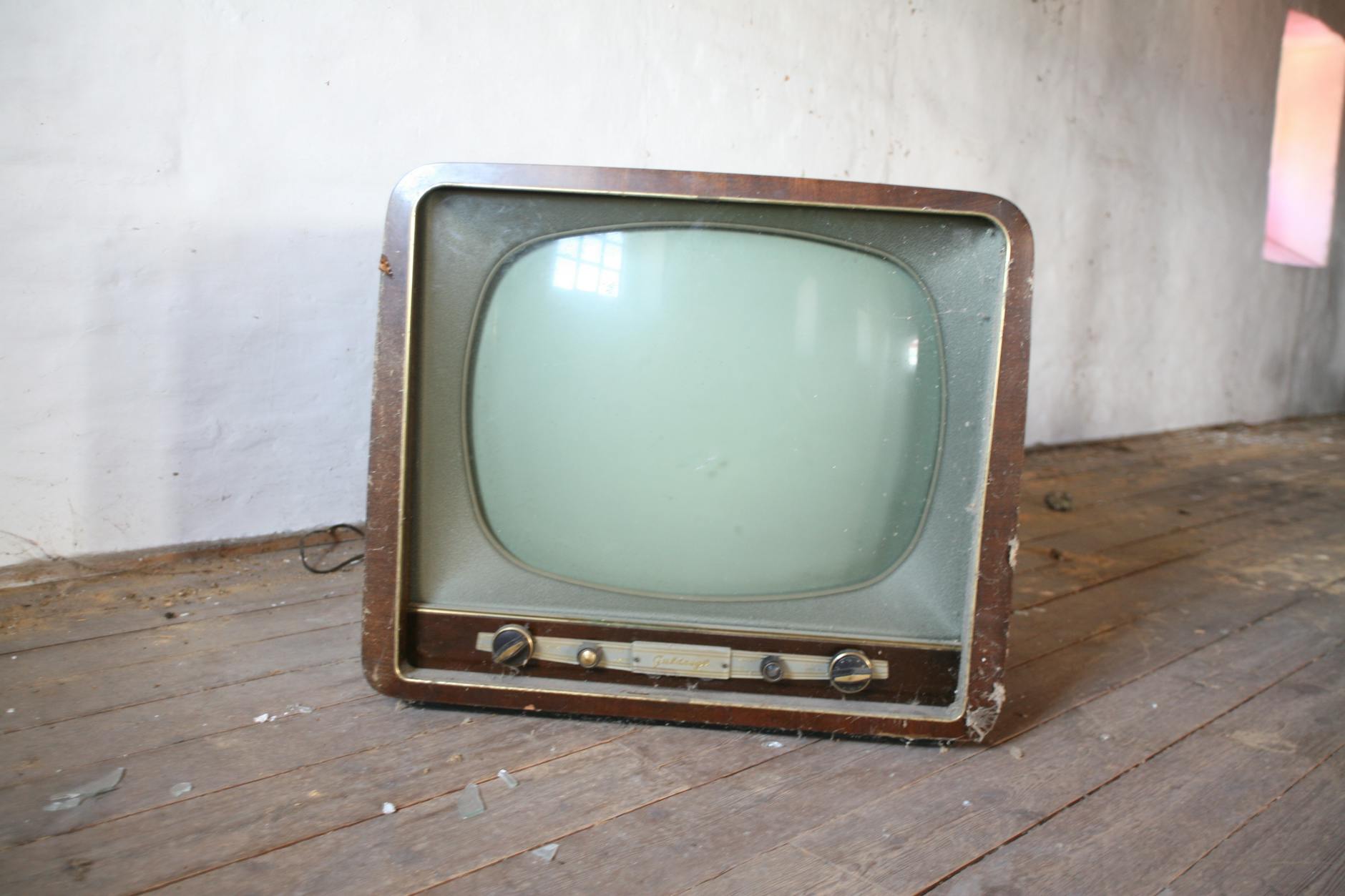
But screen clutter wasn’t the only problem. The other was time lag – captions appeared long after the spoken word, if they appeared at all. Sometimes they’d break down and stutter for a minute or two. Garble was the rule of the day. I turned the TV on around 9 pm and off at 9:15. The flashing screens and the disconnect between spoken word and caption evoked memories of vertigo attacks past. I went to bed with a soothing book, woke up at 5 am, checked my phone for results, and went back to sleep.
Could any captioner have kept up? I agree that election night was a challenge, so maybe not. But less forgivable is the sorry state of more routine captioning on television. Network news is marginally better than it was a decade ago, when they were often hilariously awful. In “Shouting Won’t Help,” I listed some examples of bad captions I’d seen: “The boy ate the bridge.” “Can you hear the garbage?” “He liked to eat morphine.” “Blahmahsan boar genie” – this last meant to be Lamborghini. That was a decade ago. There hasn’t been a lot of progress.
My primary complaint is that captions lag. I’m a Lester Holt fan but I often have to change channels because the caption lag on NBC is so distracting. Even prerecorded segments featuring top correspondents are garbled. As for the anchors, they’re using teleprompters. Why can’t that text be converted to captions?
Most surprising to me is the lack of captions on ads. The network news audience is predominantly older, and the commercials are geared to that demographic. But very few are captioned. It’s annoying and perhaps a violation of the ADA, but mostly it’s stupid. Why ignore the deaf and hard of hearing?
Speaking of ads, I didn’t see a single political ad leading up the election that was captioned. You’d think the candidates in a close race would want every vote they could get. This one is a bipartisan failure.
You can complain to the FCC but in my experience the information they ask for is so narrow as to be useless. At exactly what time did the captioning problem occur? There’s no option to say All the Time. If you want to try, here’s a link.
Meanwhile Bad Lip Reading, with humorous videos on YouTube, is still around. Check out Bad Lip Reading’s version of the 2023 State of the Union. I think you’ll laugh.
*
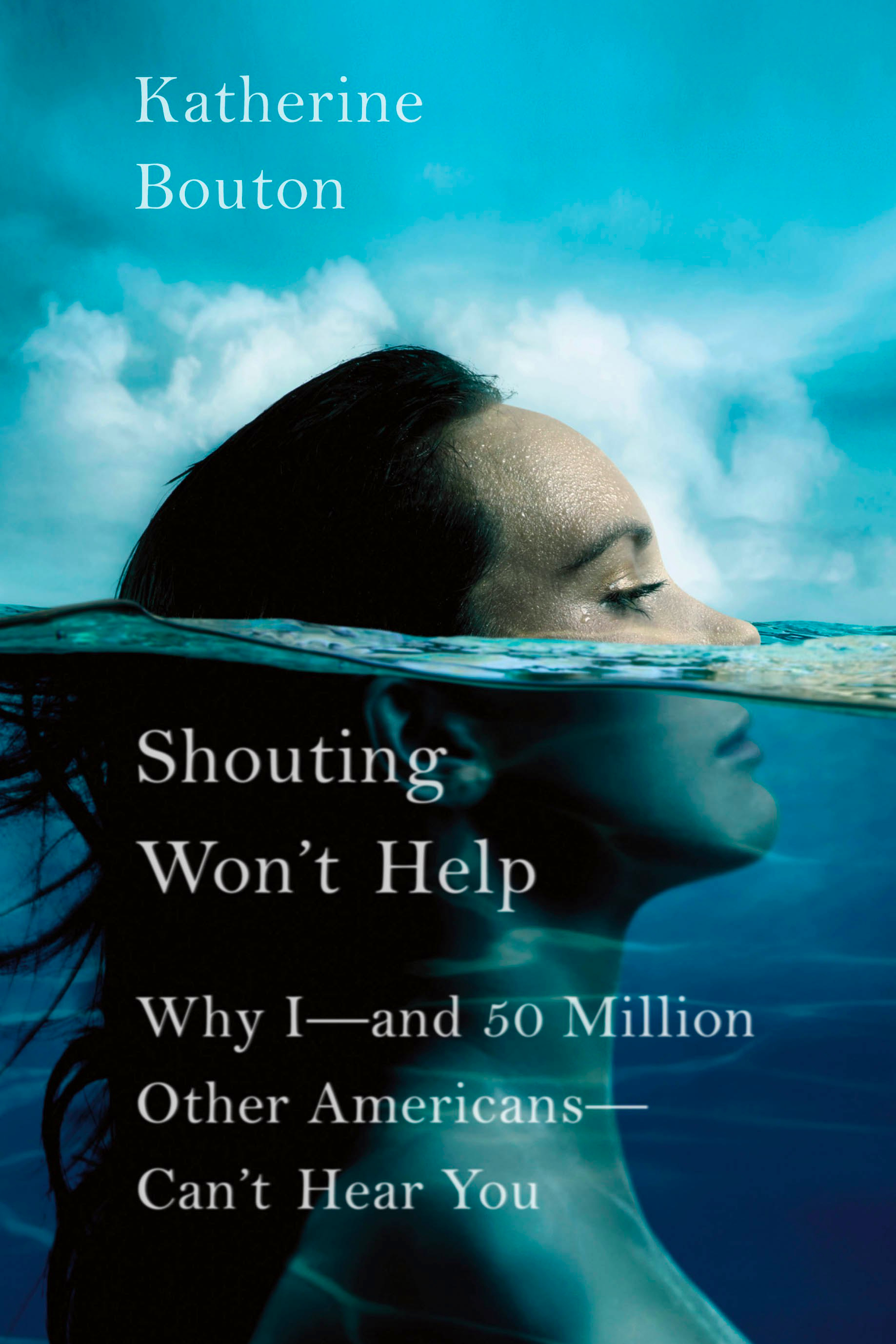
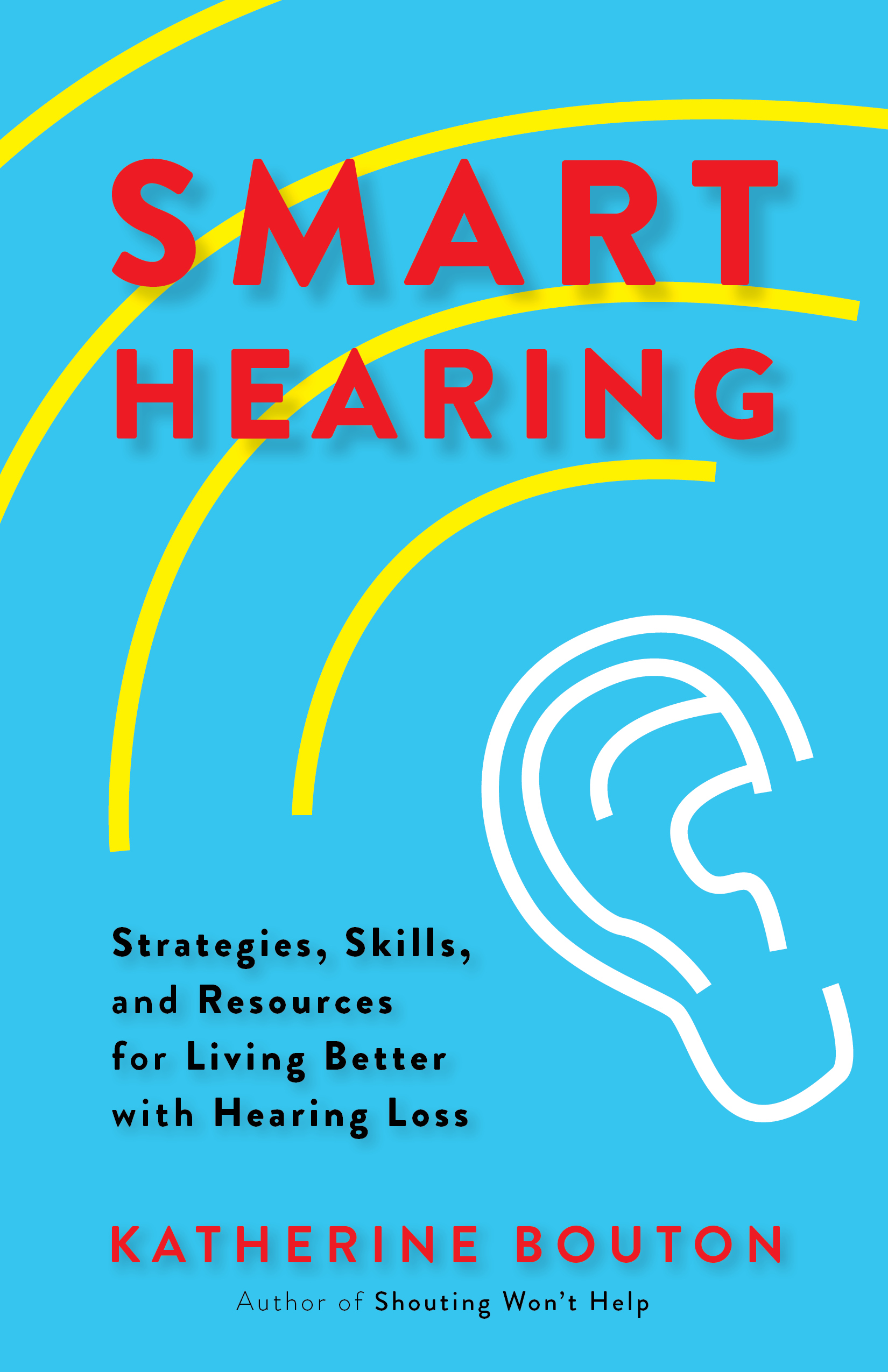
For more about hearing loss, read my books: “Shouting Won’t Help,” and “Smart Hearing,” available at Amazon.com.
Discover more from Katherine Bouton: Smart Hearing
Subscribe to get the latest posts sent to your email.

 Katherine Bouton: Smart Hearing
Absolutely perfect. Thank you for calling it the way it is for those of us hard of hearing.👍👍Sent from my iPad
LikeLike
Thank you for commenting. It is indeed frustrating.
LikeLike
Thanks for writing about this topic. A considerable lag in the captions is indeed frustrating.
I sometimes use other technology that lets me see automated captioning, like from my Pixel phone that has Live Caption available for internal audio and which thus can caption videos with slow captions or audio from the Roku app. Let me explain that latter option further:
If you have a Pixel phone that can stream audio to rour hearing devices via Bluetooth, and if you have a Roku TV or Roku device, you can use the Roku app on your phone to stream the audio for the video that you’re watching through the Roku app to your hearing devices (hearing aid and/or Bluetooth-capable CI processor) You do this by tapping on the remote icon within the Roku app and then tapping on the headphone icon. Then make sure you’ve activated the Live Caption on the Pixel phone as well. The phone will then provide Live Captions for the audio stream of the program you’re watching.
My impression is that the Pixel phones are the only Android phones that have Live Captions, but this could always change. I just checked my iPhone 11, which has Live Caption on it, and it also can caption the audio streamed from Roku.
It will still be useful to see corrected captions on the actual screen because automated captioning certainly will have some errors, but it will be faster and may get most of the words right. (I think that Google’s Live Caption is probably usually more accurate than Apple’s Live Caption, however.)
LikeLike
Thanks Dana, it’s a bit complicated but I think people who have Pixel phones can probably figure it out. I have automatatic captioning on my Macbook Air and it’s pretty accurate. But the screen is way too small to watch something with as many moving parts as election night news had.
LikeLike
Hi Katherine:
I agree with you about the captions on the election coverage. NBC was terrible. ABC seemed to be better.
In Rochester, NY and Syracuse, NY (the places I watch TV depending on the day of the week), I kept track of captions on political ads. I didn’t post anything before the election, lest I be accused of favoring one side or another, but I kept score and almost all the Democrats ads, national, state, and local were captioned, and no Republican ads at any level were captioned.
I was involved with getting a Syracuse station to move from ENT (Electronic News Technique, i.e. captioning the teleprompter) to live captioning (well, machine captioning, but way better).
The FCC rules say program material under 5 minutes doesn’t need to be captioned. So that exempts ads. Now that producers could potentially use their own computers to add the captions, I think the FCC should demand that ads be captioned.
Again, in the 2 markets I watch, almost no car ads, national or local dealers are captioned. And one attorney out of many has captions.
He actually called me a couple of days after I sent letters to a dozen attorneys. He said that he was paying those people to caption his ads. A month later, he had a new advertising agency, and the ads have been captioned ever since.
But what really burns me, is the attorney who wrote back “why should I caption my ads if the hearing aid companies don’t”. Unfortunately, he’s right.
I’ll keep barking up the trees.
Thanks for your article.
Bruce Nelson co-editor HLAA Rochester Chapter
LikeLike
Good point about the hearing aid companies. I spend a fair amount of time in Western Mass, where the TV news comes from Albany. I was not there for Election Night but I did watch a lot of the run up to it. Local news IS captioned, with a big credit to Albany Medical Center at the end of the show. Very smart of AMC.
LikeLike
It really was difficult to keep up with all dialog. Captions were so far behind the audio, and then if they were wrong it was too late for our brains to make the correction because the speaker had moved on.
BTW, I just watched an episode of Grantchester in which the timing of the captions was so erratic. Sometimes captions before the spoken word, sometimes after. So one could not tell who said what.
LikeLike
That’s not only shameful but stupid of PBS not to have better captions on a show like Grantchester, which I imagine has an older viewer demographic. Maybe it was a one-off? Usually the captions are better? I don’t watch the show.
LikeLike
Clearly, the broadcasters feel they can’t AFFORD to concentrate on captions, either to provide live ones, or to correct those that are 12-24 hours old :-(
I just watched a day-old news program on PBS that is roundtable/talk–if one can’t understand what precisely they are saying, what’s the point in watching? Perhaps the producers just don’t care. As long as the general numbers look OK to them, they just don’t care who’s engaged and who isn’t. Very disappointing.
LikeLike
It’s a mystery. Especially because the demographic for TV news skews very old, as you can tell from the commercials. I’m really surprised the commercials aren’t captioned. It would cost essentially nothing compared to the other costs in making a TV ad. Don’t they want people to buy their products???
Thanks for writing.
LikeLike
Clearly, the broadcasters feel they can’t AFFORD to concentrate on captions, either to provide live ones, or to correct those that are 12-24 hours old :-(
I just watched a day-old news program on PBS that is roundtable/talk–if one can’t understand what precisely they are saying, what’s the point in watching? Perhaps the producers just don’t care. As long as the general numbers look OK to them, they just don’t care who’s engaged and who isn’t. Very disappointing.
LikeLike
Are comments blocked?
LikeLike
perfect! Global Leaders Gather for Climate Summit Amid Rising Temperatures 2025 incredible
LikeLike