
The death earlier this summer of British baritone Ben Luxon reminded me once again how subjective our response to hearing loss is. Luxon was one of several musicians I wrote about in “Shouting Won’t Help.” A world-famous artist, he began to lose his hearing in the late 1980’s; by the mid-1990’s he was forced to retire. An obituary mentioned “disastrous misfires on the recital stage” and one of them was certainly a concert he told me about when I interviewed him. It was a recital, and the program was a Shubert cycle. As he sang, struggling to hear his own voice, he saw from the audience’s faces that he was no longer succeeding in fooling them. At the intermission, he said to the audience, “I can’t submit you or myself to this any longer, something is seriously wrong with my hearing.” He didn’t return to the concert stage after the intermission, or ever again.
Luxon’s experience might have been soul-crushing. But he had resilience. He embarked on a second career as a narrator, his rich baritone still served him when speaking onstage. By the time we met, he could look back with a sense of humor about it all. He described a performance, a few months before the Shubert, as Papageno in The Magic Flute: “The orchestra sounded like people banging on big iron pipes in the bottom of a pit, it was just so distorted.” Of the beautiful duet in Act 1 with the soprano Pamina, he said, “once she got above an F or G, her voice split like a cat yowling.” He laughed at the memory.
In a 2014 column, I talked about my own experience with music. I was a listener, never a musician. Rereading the column, “Unheard Melodies Can Still Be Sweet,” made me realize how much better I hear music now than I did then. I still can’t follow orchestral music but I can follow a solo or a duet as long as I know what is being sung or what instrument is being played. Best is music with words, pop to opera. If I have a transcript of the lyrics. Understanding the words helps me hear the music. The dual input of sound and lyrics is helpful in the same way that that speech reading, reading lips, helps in hearing speech.
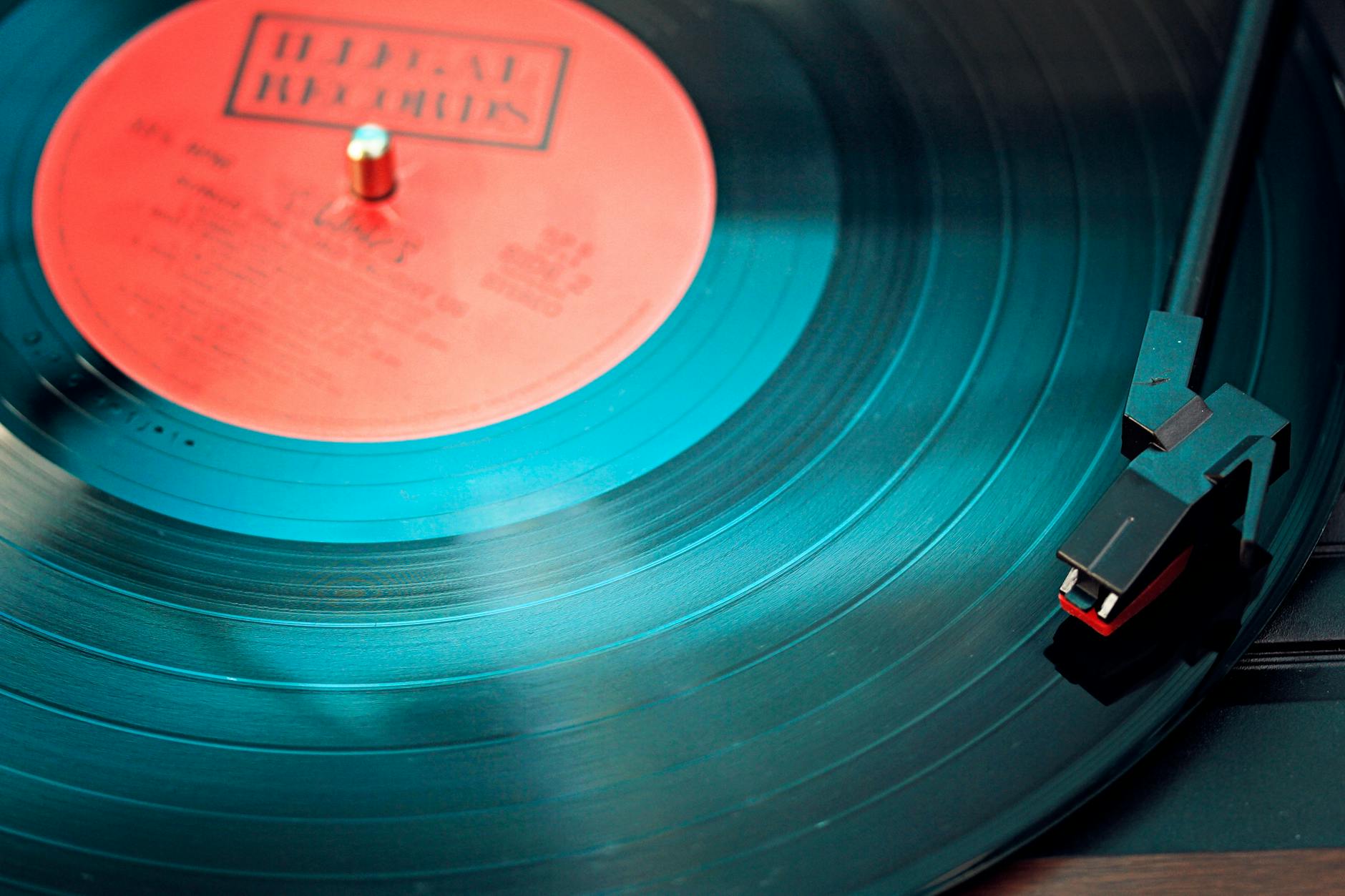
I first learned how useful the dual input was from Geoff Plant, Director of the Hearing Rehabilitation Foundation. I remember he played the Willie Nelson song “I Walk the Line.” I couldn’t understand a word or identify the music. But then he added captions to the video and it became clear. As in so many other aspects of life with hearing loss, captions are key. Lately I’ve been listening to old records – yes, vinyl – following along with the lyrics on the cover or liner notes.
If you would like to read more about Ben Luxon, here’s a link to an obituary in The Guardian. It’s not behind a paywall, but you will have to sweep aside the request for contributions.
*
For more about hearing loss, read my books: “Shouting Won’t Help,” “Living Better with Hearing Loss,” and “Smart Hearing,” available at Amazon.com.
Discover more from Katherine Bouton: Smart Hearing
Subscribe to get the latest posts sent to your email.

 Katherine Bouton: Smart Hearing
I love this blog piece.
LikeLike
Thank you Leslie. I think it’s easier for me than for someone who really knows music. I’m not as aware as they are of what I’m missing.
LikeLike
hi Katherine,
I recently found one of your previous blogs about captions. I clicked on the link and got an error message.
how can I access it?
my email address is….bubberonnie@gmail.com
thanks so mich
Ronnie Kaufman
LikeLike