
Is the Apple OTC hearing aid right for you? Probably not, if your hearing loss is significant. But they may well benefit all of us with hearing loss in the long run.
Apple’s announcement in September that the FDA had approved its over-the-counter hearing aid was a big step towards getting hearing assistance to the millions who need hearing help but can’t afford traditional hearing aids.
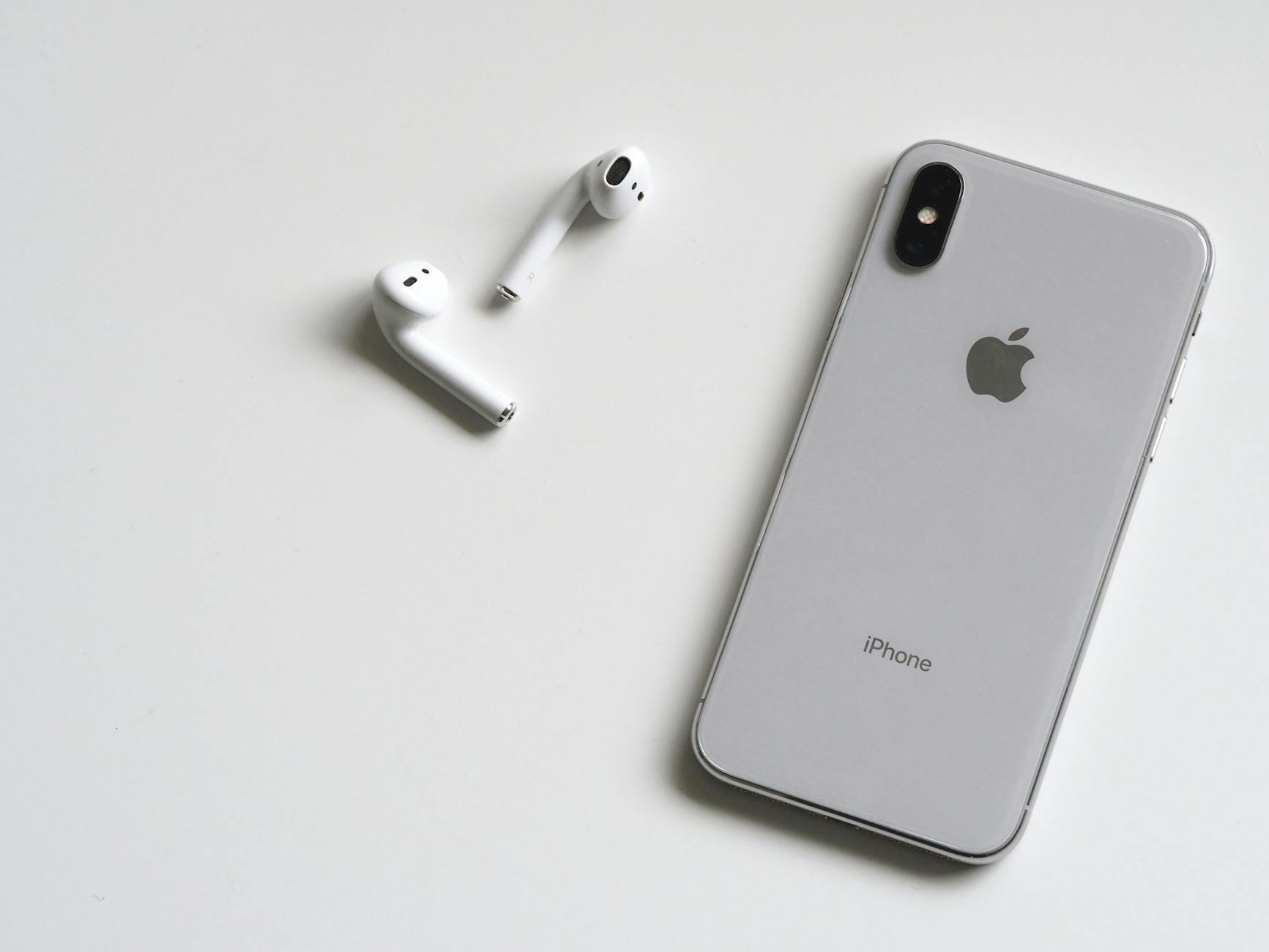
Apple’s hearing system, which includes a hearing test, will be an app on the AirPod 2. If you already own the AirPod 2 you’ll just need to download the software. If you buy a new AirPod 2 with the hearing aid software installed, it will cost $249. Apple’s standard 14-day return policy applies.
The new hearing aid will include noise cancellation, directional microphones and other features found on prescription aids. But don’t run to the Apple Store yet. Although the software was expected to be released in late September, as of early October it hasn’t been.
OTC hearing aids – hearing aids you buy and adjust without an audiologist’s input — were approved by the FDA in 2022, with specific recommendations about who they were for, and warnings about who should not wear them. OTC’s are meant for people with self-perceived mild to moderate hearing loss. Any pain or discomfort in the ear, dizziness, sudden hearing loss, loss in only one ear, ringing or buzzing in the ear, all of these conditions are considered red flags, and you should not try an OTC aid without seeing a doctor.
Apple is not the first to offer an OTC hearing aid. The Jabra Enhance Select is at the top of most lists of best OTC hearing aids (published before the Apple release). Audicus, whose Wave 2 starts at $699 per ear — $1400 for two – is well regarded. Eargo offers a basic model at $799 per pair, up to $2950, with a 100-day return policy. I found it challenging to determine pricing on the various companies’ websites. I could call them, but since you the reader will want this information easily available online, it should be.
Here’s Forbes’ list of the best OTC hearing aids. Apple isn’t on it because it isn’t yet available. At these prices, it’s not surprising that they aren’t doing well. The Wall Street Journal reported a high rate of return on OTC’s, quoting Eargo’s interim Chief Executive that Eargo has seen a return rate of 25%. Apple’s price and the familiarity of many with the AirPod should give it a strong initial advantage.
Why do we need OTC hearing aids? Prescription aids are very expensive and not usually covered by insurance, although some insurers will cover partial costs or one or another brand, Costco sells name brand aids at a substantial discount, the VA provides them free.
It’s a good idea to see an audiologist for a hearing test, even if you’re considering an OTC. But there is a significant shortage of audiologists in this country, and that on its own is a barrier. A 96-year-old friend of mine in Philadelphia was told earlier this summer that the next available audiologist appointment was January.
Stigma is perhaps the biggest deterrent to buying and wearing hearing aids. The stigma of hearing aids is entangled with the stigma of age, reinforced by the fact that the elderly are more likely to have hearing aids than younger people. Their hearing loss might have started when they were younger, but the combination of an average delay of 7 years in getting hearing aids and the fact that most hearing loss is progressive means that we see more older people with hearing aids.
Not everyone who qualifies will want Apple OTC’s. Some don’t like Apple, and an iPhone is an essential component of Apple’s new hearing aid. The self-administered hearing test is done on an iPhone, as is adjusting the sound. Other tech companies may jump in to fill the gap.
As several have noted, the protocol for wearing AirPods around others may also be a barrier. They may signal that the wearer is listening to music or a podcast and doesn’t want to be interrupted. Wearing AirPods at a business meeting is pretty much a no-no. But there’s no reason not to explain that you’re wearing the AirPods precisely so you can hear what is said.
How is this going to benefit me, my readers might ask, especially those who have two $4000 hearing aids or a cochlear implant. It won’t help you directly, but it will make hearing aids available to far more people, who may later go on to prescription hearing aids. Increased competition may help bring down the price of prescription hearing aids. It may help to normalize hearing loss and reduce stigma.
Let’s hope we’re on the road to acceptance, and that hearing aids will become as unremarkable as eyeglasses. In the meantime, if you feel you might benefit from a boost in hearing in certain situations, try the AirPods. They’re meant to be situational – when you’re watching TV, say, or at a lecture. They don’t have the battery power for all day listening. But they have one more benefit, which is the reason people buy AirPods in the first place: they provide music and podcasts and GPS directions and recorded books, not to mention a Bluetooth connection for your Apple computer.
There’s been a lot written on the subject and I’m not breaking any news here. But I had a hard time sorting out exactly what was going on, so I figure maybe others have too. I hope this is helpful.
For more about hearing loss, read my books: “Shouting Won’t Help,” “Living Better with Hearing Loss,” and “Smart Hearing,” available at Amazon.com.
Discover more from Katherine Bouton: Smart Hearing
Subscribe to get the latest posts sent to your email.

 Katherine Bouton: Smart Hearing